RSS
Showing posts with label A. Show all posts

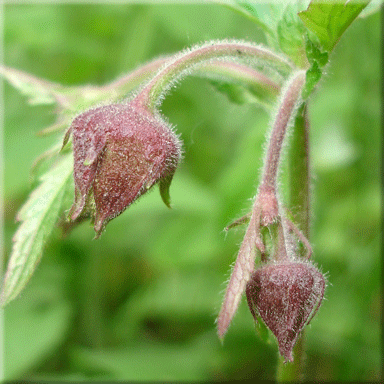
Avens

Species (Family)
Geum urbanum L. (Rosaceae)

pic of Avens
pic of Avens


Synonyms(s)
Benedict's Herb, Colewort, Geum, Herb Benner


Part(s) Used
Herb

Food Use
Avens is listed by the Council of Europe as a natual source of food flavouring (category N2). This category indicates that avens can be added to foodstuffs in small quantites, with a possible limitation of an active principle (as yet unspecified) in the final product.


Herbal User
Avens is stated to possess antidiarrhoeal, antihaemorrhagic, and febrifugal properties. It has been used for diarrhoea, catarrhal colitis, passive uterine haemorrhage, intermittent fevers, and specifically for ulcerative colitis.


Dosage
Dried herb 1-4g or by infusion three times daily.


Liquid extract 1-4mL (1:1 in 25% alcohol) three times daily

Pics of Avens
seed of Avens
seed of Avens
pic of Avens
pic of Avens
pic of Avens
pic of Avens

Products and foods

  • Digg
  • Del.icio.us
  • StumbleUpon
  • Reddit
  • RSS

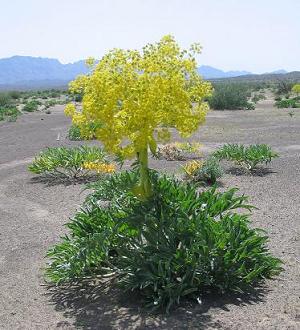
Asafoetida

Species (Family)
Ferula species including:
(i) Ferula assafoetida L. (Ferula rubricaulis Boiss)
(ii) Ferula foetida (Bunge) Regel (Apiaceae/Umbelliferae)


Synonyms(s)
Asafetida, Asant, Devil's Dung, Gum Asafetida


Part(s) Used
Oleo gum resin obtained by incising the living rhizomes and roots.

Food Use
Asafoetida is used widely in foods. Asafoetida (essential oil, fluid extract and gommo-oleoresin) is listed by the Council of Europe as a source of natural food flavouring (category 5) (see Appendix 23) Asafoetida is approved for food use in the USA.


Herbal User
Asafoetida is stated to possess carminative, antispasmodic and expectorant properties. It has been used for chronic bronchitis, pertussis, laryngismus stridulus, hysteria and specifically for intertinal flatulent colic.


Dosage
Powdered resin 0.3 - 1g thre times daily
Tincture of asafoetida (BPC 1949) 2-4 mL


Pics of Asafoetida


 You can get Asafoetida from here


  • Digg
  • Del.icio.us
  • StumbleUpon
  • Reddit
  • RSS

Artichoke

Species (Family)
Gynara scolymus L. (Asteraceae/Compositae)

pic of Artichoke
pic of Artichoke


Synonyms(s)
Globe Artichoke.
     Globe artichoke should not be confused with Jerusalem artichoke, whick is the tuber of Helianthus tuberosa L.


Part(s) Used
Leaf

Food Use
Artichoke is listed by the Council of Europe as a natural source of food flavouring (category N2). This category indicates that artichoke can be added to foddstuffs in small quantities, whit a possilbe limitation of an active principle (as yet unspecified) in the final product. In the USA, atichoke leaves are approved for use in alcoholic beverages only, with an average maximum concentration of 0.00016% (16ppm)


Herbal User
Artichoke is stated to possess diuretic, choleretic, hypocholesterolaemic, hypolipidaemic, and hepatostimulating properties, Modren use of artichoke is focused on its use in the treament of hyperlipidaemia, hyperlipoproteinaemia, non-ulcer dyspepsia and conditions requiring an increase in choleresis. There is also interest in the potential hepatoprotective properties of globe artichoke, although this has not yet been tested in controlled clinical trials.

Dosage
Ther German Commission E recommends an average daily dose of 6g drug, or an equivalent dose of extract (based on the herb-toextract ratio) or other preparetions, for dyspeptic problems.
A recommended dosage regimen for liquid extract (1:2)is 3-8 mL daily.
     Doasage used in clinical trials of globe artichoke leaf extract have assessed the effects of dosages of up to 1.92g daily in divided doses for up to six months.


Pic of Aritichoke
pic of Artichoke
pic of Artichoke
pic of Artichoke
pic of Artichoke
pic of Artichoke
pic of Artichoke
Get this herb below

  • Digg
  • Del.icio.us
  • StumbleUpon
  • Reddit
  • RSS

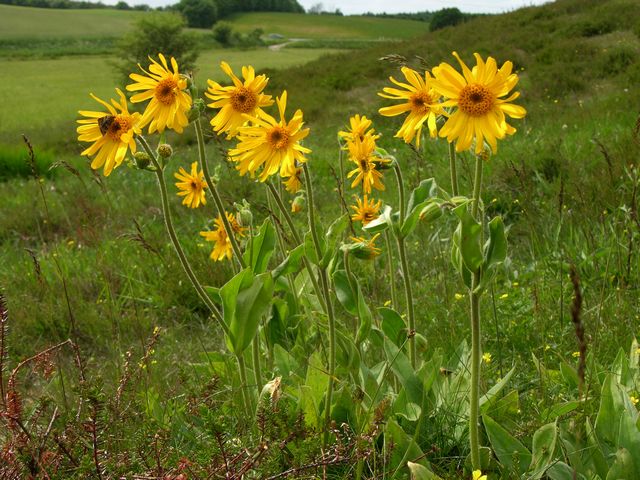
Arnica : yellow flower

Species (Family)
Arnica montana L. (Asteraceae/Compositae) Arnica Chamissonis Less. ssp. folisa (Nutt.) Maguire also allowed in German Pharmacopoeia.

pic of Arnica
pic of Arnica


Synonyms(s)
Leopard's Bane, Mountain Tobacco, Wolf's Bane


Part(s) Used
Flower

Food Use
Arnica is listed by the Council of Eruope as a natural source of food flavouring (category N2). This category indicates that arnica can be added to foodstuffs in small quantities, with a possible limitation of an active principle (as yet unspecified) in the final product. In the USA, arnica is listed by the Food and Drugs Administration (FDA) as an 'unsafe herb', and is only approved for food use in alcoholic beverages.


Herbal User
Arnica is stated to possess topical counter-iirritant properties. It has been used for unbroken chilblains, alopecia neurotica, insect bites, gingivitis, aphtohous ulcers, rheumatoid complaints and specifically for sprains and bruises.
     German Commission E approved external use for injuires and consequences of accidents, e.g. haematoma, dislocation, contusions, oedema due to fracture, rheumatiod muscle and joint pains, inflammation of oral and throat region, furuncolosis, inflammation caused by insect bites and superficial phlebitis.
     Arnica is mainly used in homeopathic preparations; it is used to a lesser extent in herbal products.

Dosage
Tincture of arnica flower (BPC 1949) 2-4 mL for external application only.

Preparations Ointments, creams, gels, compresses made with 5-25% v/v tinctures, 5-25% v/v fluid extract, diluted tinctures or fluid extract (1:3- 1:10), decoctions 2.0g drug/100mL water.


Pics of Arnical
pic of Arnica
pic of Arnica
pic of Arnica
pic of Arnica
pic of Arnica
pic of Arnica
 Get this herb below


Boiron Homeopathic Medicine Arnica for Muscle Relief, 30C Pellets, 160-Count Packages (Pack of 2)

  • Digg
  • Del.icio.us
  • StumbleUpon
  • Reddit
  • RSS

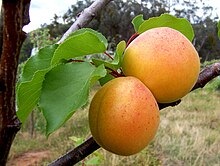
Apricot

Species (Family)
Prunus armeniaca L. (Rosaceae)


Synonyms(s)
None


Part(s) Used
Kernel (seed), expressed oil

Food Use
Apricot fruit is commonly eaten. Apricot is listed by the Council of Europe as a natural source of food flavouring (category N1 and N2). These categories limit the total amount of hydrocyanic acid permitted in the final product to 1mg/kg. Exceptions to this are 25mg/kg for confectionery, 50mg/kg for marzipan and 5mg/kg for fruit juices. In the USA, apricot kernel extract is listed as GRAS (Generally Recognised As Safe).


Herbal User
Traditionally, the oil has been incorporated into cosmetic and perfumery products such as soaps and creams.


Dosage
None documented. Traditionally, apricot kernels have not been utilised as a herbal remedy.

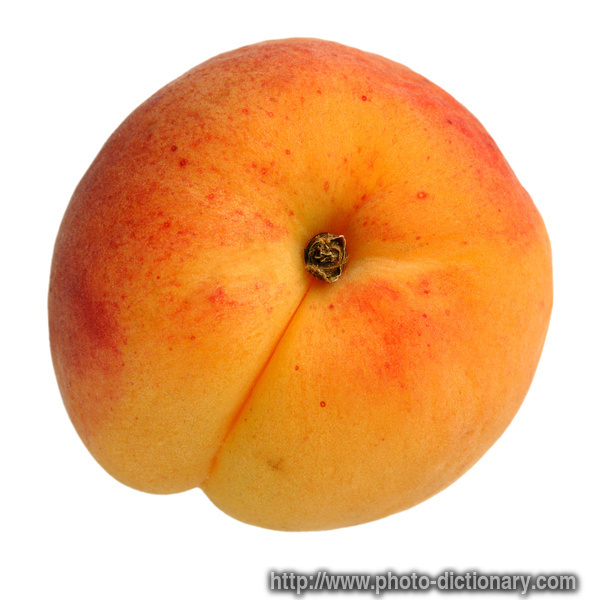
Pics of Apricot

  • Digg
  • Del.icio.us
  • StumbleUpon
  • Reddit
  • RSS

Aniseed : herb seed

Species (Family)
Pimpinella anisum L. (Apiaceae/Umbelliferae)

Aniseed pic
Aniseed pic


Synonyms(s)
Anise, Anisi Fructus, Anisum, Anisum officinarum Moench., Anisum unlgare Gaertn.


Part(s) Used
Fruit

Food Use
Aniseed is used extensively as a spice and is listed by the Council of Europe as a natural source of food flavouring (category N2). This category allows small quantities of aniseed to be added to foodstuffs, with a possible limitation of an active principle (as yet unspecified) in the final product. In the USA, aniseed is listed as GRAS (Generally Recognised As Safe)


Herbal User
Anieed is stated to possess expectorant, antispasmodic, carminative and parasiticde properties. Traditionally, it has been used for bronchial catarrh, pertussis, spasmodic cough, flatulent colic; topically for pediculosis and scabies; its most specific use is for bronchitis, tracheitis with persistent cough, and as an aromatic adjuvant to prevent colic following the use of cathartics.
     Aniseed has been used as an oestrogenic agent. It has been reputed to increase mile secretion, promote menstruation, facilitate birth, alleviate symptoms of the male climacteric and increase libido.


Dosage
Dried fruit Adults: 1.0 - 5.0 g crushed fruits in 150mL water as an infusion several times daily. Children: 0-1 year old, 1.0g of crushed fruits as an infusion; 1-4 years of age, 2.0g; over 4 years, use adult dose.

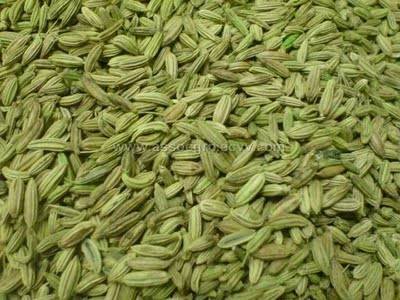
Pics of Aniseed
Aniseed pic
Aniseed pic
Aniseed pic
Aniseed pic
Aniseed pic
Aniseed pic
Get it below
Starwest Botanicals Organic Anise Seed, 1-pound Bag

  • Digg
  • Del.icio.us
  • StumbleUpon
  • Reddit
  • RSS

Angelica

Species (Family)
Angelica archangelica L. (Apiaceae/Umbeliferae)

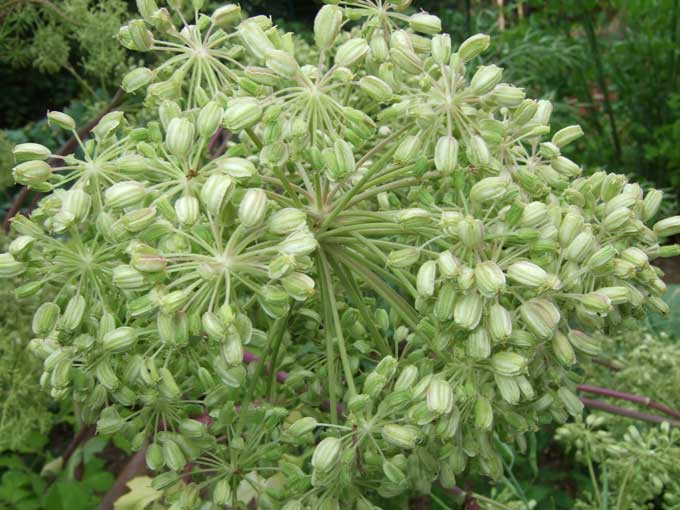
Pics of Angelica
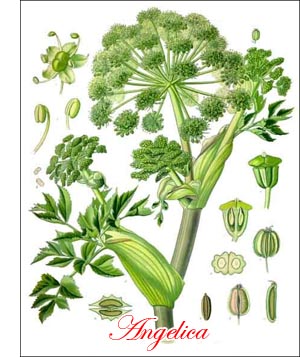
Pics of Angelica
Synonyms(s)
Archangelica officinalis Moench and Hoffm.


Part(s) Used
Fruit, leaft, rhizome, root

Food Use
Angelica is widely used in foods. Angelica is listed by the Council of Europe as a natural source of food flavouring (stem: category 1; other parts and preparations: category 4, with limits on coumarin and furanocoumarin) (see Appedix 23).

In the USA, agelica is listed as GRAS (Generally Recognised As Safe).


Herbal User
Angelica is stated to possess antispamodic, diaphoretic, expectorant, bitter aromatic, carminative, diuretic and local anti-inflammatory properties. It has been used for repiratory catarrh, psychogenic asthma, flatulent dyspepsia, anorexia nervosa, rheumatic diseases, peripheral vascular disease, and specifically for pleurisy and bronchitis, applied as a compress, and for bronchitis associated with vascular deficiency.

The German Commission E monograph states that angelica can be used for lack of appetite and dyspeptic complaints such as mild stomach cramps and flatulence. Many related species, including A. sinensis (dong quai) are traditionally used in Chinese medicine.


Dosage
Dried leaf 2-5 g by infusion three times daily.

Leaf liquid extract 2-5mL (1:1 in 25% alcohol) three times daily.

Leaf tincture 2-5 mL (1:5 in 45% alcohol) fhree times daily.

Dried rhizome/root Daily dose 4.5g or 1-2 g by infusion three times daily.

Rhizome/root tincture 0.5-2 mL (1:5 in 50% alcohol) three times daily.

Pics of Angelica
Pics of Angelica
Pics of Angelica
Pics of Angelica
Pics of Angelica
Pics of Angelica
Pics of Angelica
Pics of Angelica
Pics of Angelica

  • Digg
  • Del.icio.us
  • StumbleUpon
  • Reddit
  • RSS

Aloes

Species (Family)
(i) Aloe barbadenis Mill. (Liliaceae)
(ii) Ale ferox Mill. and its hybirds wight aloe africana Mill. and Aloe spicata Baker

pic of Aloes
pic of Aloes


Synonyms(s)
Aloe vera Tourn. ex L., A. vera (L.) Webb, A. vera (L.) Burm. f.


Part(s) Used
Dried leaf juice

Food Use
Aloes is listed by the council of Europe as a natural source of food flavouring (category N3). This category indicates that aloes can be added to foodstuffs in the traditionally accepted manner, although there is insufficient information available for an adequate assessment of potentail toxiciy. The concertration of aloin present in the final product is limited to 0.1 mg/kg, 50mg/kg in alocoholic beverages. In the USA, aloes is listed as GRAS (Generally Recognised As Safe).


Herbal User
Aloes is recommended for the treatment of atonic constipation and suppressed menstruation.


Dosage
Dried Juice 50-200 mg or equivalent three times daily.
     In view of potential adverse effects, the dose recommended for adults and chidren aged over 10 years is 10-30mg of hydroxyanthracene derivatives (calculated as barbaloin) once daily at night.
Use of aloes as a laxative in self-treatment of constipation for more than tow weeks is not recommended.

Pics of Aloes
pic of Aloes
pic of Aloes
pic of Aloes
pic of Aloes
pic of Aloes
pic of Aloes

  • Digg
  • Del.icio.us
  • StumbleUpon
  • Reddit
  • RSS

Aloe Vera

Species (Family)
Aloe barbadensis Mill., Aloe ferox Mill. and hybrids with Aloe africana Mill. and Aloe spicata baker (liliaceae)


Synonyms(s)
Aloe Gel, Aloe vera Tourn. ex L., Aloe ver (L.) Webb

Part(s) Used
Leaf gel

Food Use
Aloe vara is not used in foods.

Herbal User
Traditionally, aloe vera has been used in ointments and creams to assist the healing of wounds, burns, eczema and psoriasis.

Dosage
None documented.


Aloe vera is a species of succulent plant that probably originated in northern Africa. The species does not have any naturally occurring populations, although closely related aloes do occur in northern Africa. The species is frequently cited as being used in herbal medicine since the beginning of the first century AD. Extracts from A. vera are widely used in the cosmetics and alternative medicine industries, being marketed as variously having rejuvenating, healing or soothing properties.

Pics of Aloe vera
good work in skin burn attack.
You can get Aloe vera from here.

  • Digg
  • Del.icio.us
  • StumbleUpon
  • Reddit
  • RSS